

The Taliban has a fear. It stems from the modern education and the intellectual community (O'Donnell, 2021; Choudhary, 2022; Friedman, 2023). The group of individuals and institutions who pursue knowledge and understanding. They do this through objective thinking, scholarly research, and informed dialogue (Jennings & Kemp-Welch, 1997; Buzan & Little, 2001; Bounfour & Edvinsson, 2012).
In the context of pre-Taliban Afghanistan, this intellectual community was larger. Today, many have fled the country (Human Rights Watch, 2021; Krishnankutty, 2022; Bhattacharyya, 2022). They struggle to maintain their intellectual work due to adjustments to their lives(Butt & Ahmed, 2023; Brown, 2023). Those who remain do so in silence, fearing punishment, or have acquiesced to the regime's demands (Watkins, 2022; Gossman, 2022).
Despite this, the community poses a challenge to the Taliban's ideology. They help the people understand the flaws of the Taliban's policies and the complexity surrounding the problems and the solutions. In response, the regime suppresses institutions and individuals to maintain absolutism (Watkins, 2022).
The Taliban had appointed individuals with the most regressive views to lead the Ministries of Education (MoE) and Higher Education (MoE) with a plan to execute the suppression(Barron, 2022; George, 2023) . Their mission is to stifle any potential source of challenge. They began by denouncing the intellectual community as corrupt enemies of faith and country. They claim the community had been brainwashed by Western ideology for two decades.
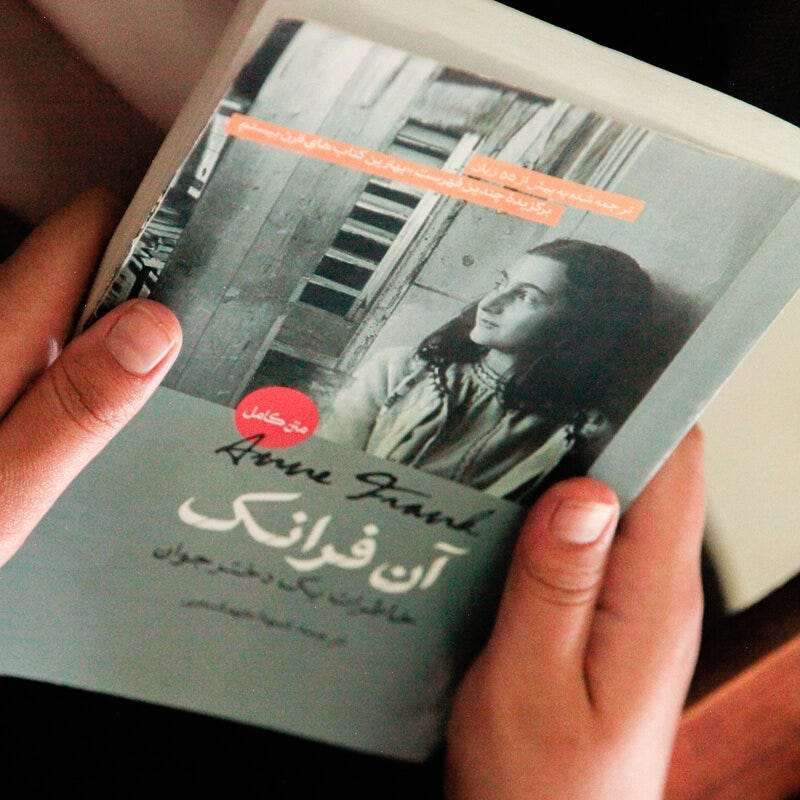
The aim is to mold intellectuals and educational institutions to serve the regime. Traditionally, these institutions are bastions of objective knowledge creation and dissemination. They are increasingly pressured to comply with biased knowledge and misinformation norms and produce obedient human capital. Mollavi Nadeem, the MoHE, encapsulated this in a speech at Kabul University's graduation ceremony. He said students have two duties: “to align with our principles and strengthen the regime.” Key Taliban leaders have echoed this rhetoric on various occasions.
The Taliban is revising the curriculum, programs, and learning materials. The MoE has completed revising primary grades and excluded all materials contradicting their beliefs. The work is now extended to the secondary grades (Tolo News, 2024).
The Taliban now controls print media and bookstores. They filter out literature contradicting their beliefs—many governmental institutions are joining this scheme. The intelligence directorate and the Ministry of Cultural Affairs recently compiled and issued a directive against selling "at least 50,000 books from publishing houses and bookshops in the Afghan capital this week" (Siddique, 2024).
These book-related entities represent some of the remaining accessible sources of knowledge for the people. With the regime's sharp monitoring of local media and digital platforms, their authoritative hold is becoming more pronounced.
Complete information control is challenging due to technology. However, the government's rigorous censorship measures significantly restrict the public's access to a broad spectrum of knowledge(Jozwiak et al., 2023). The limited availability of educational content in the local languages and suboptimal access to technological resources further deprive the people of the chance to engage with unbiased and comprehensive information(Kantilaftas, 2023).
These oppressive acts have not drawn condemnation. Some neighbors even justify or support it, hoping to curry favor with the Taliban for political gains. The international community remains largely mute. The pressing crises in the Middle East and Ukraine divert its attention. This neglects pivotal concerns such as education.
The apparent disparity in the responses of regional powers and the quietude of the international community at large hint at a persisting dominance of the Taliban, enabling them to perpetuate repressive measures unchallenged. This situation portends a bleak outlook for safeguarding intellectual liberties in Afghanistan.
References:
1. Bhattacharyya, G. (2022). 229 professors left Afghanistan since Taliban takeover: Report. National Herald. https://www.nationalheraldindia.com/international/229-professors-left-afghanistan-since-taliban-takeover-report
2. Jozwiak, R., Siddique, A., & Bashir, M. (2023). Taliban Bans Books From Minority Muslim Sects In Private University Libraries. RFE/RL. Retrieved January 19, 2024, from https://www.rferl.org/a/afghanistan-taliban-religious-minorities/32743636.html
3. Bounfour, A., & Edvinsson, L. (2012). Intellectual capital for communities. Routledge.
4. Buzan, B., & Little, R. (2001). Why international relations has failed as an intellectual project and what to do about it. Millennium, 30(1), 19-39.
5. Jennings, J., & Kemp-Welch, T. (1997). The century of the intellectual: From Dreyfus to Salman Rushdie, Intellectuals in Politics.
6. Human Rights Watch. (2021, September 9). What's Next for Afghans Fleeing the Taliban? Human Rights Watch. Retrieved January 19, 2024, from https://www.hrw.org/news/2021/09/09/whats-next-afghans-fleeing-taliban
7. O'Donnell, L. (2021, October 8). The Taliban Are Dismantling Afghanistan's Education System. Foreign Policy. https://foreignpolicy.com/2021/10/08/afghanistan-education-school-taliban-girls-freedom-crisis/
8. Gossman, P. (2022, July 20). UN Reports on Taliban Repression, Abuse in Afghanistan. Human Rights Watch. Retrieved January 19, 2024, from https://www.hrw.org/news/2022/07/20/un-reports-taliban-repression-abuse-afghanistan
9. Watkins, A. (2022, August 16). One Year Later: Taliban Reprise Repressive Rule, but Struggle to Build a State. United States Institute of Peace. Retrieved January 19, 2024, from https://www.usip.org/publications/2022/08/one-year-later-taliban-reprise-repressive-rule-struggle-build-state
10. Krishnankutty, P. (2022, August 29). 'Professor exodus': Afghanistan's brightest minds are fleeing Taliban rule, again. ThePrint. https://theprint.in/world/professor-exodus-afghanistans-brightest-minds-are-fleeing-taliban-rule-again/1101836/
11. Barron's. (2022, September 21). Taliban Supreme Leader Appoints New Education Minister. Barron's. https://www.barrons.com/news/taliban-supreme-leader-appoints-new-education-minister-01663747207
12. Choudhary, H. (2022, November 24). What’s behind Taliban’s Fear of Educated Young Women? The New Leam. https://www.thenewleam.com/whats-behind-talibans-fear-of-educated-young-women/
13. George, S. (2023, January 10). Crackdown on Afghan women shows Taliban hard-liners consolidating control. The Washington Post. https://www.washingtonpost.com/world/2023/01/10/taliban-hardliners-women-work-universities/
14. Brown, F. (2023, August 4). One in five Afghan refugees evicted from hotels are homeless, councils suggest. Sky News. Retrieved January 19, 2024, from https://news.sky.com/story/one-in-five-afghan-refugees-evicted-from-hotels-are-homeless-councils-suggest-12933457
15. Kantilaftas, A. (2023, September 20). Afghanistan underground book club. CityMag. Retrieved January 19, 2024, from https://citymag.indaily.com.au/habits/afghanistan-underground-book-club/
16. Butt, R., & Ahmed, M. (2023, November 9). Analysts warn that Pakistan's anti-immigration crackdown risks radicalizing deported Afghans. PBS. https://www.pbs.org/newshour/politics/analysts-warn-that-pakistans-anti-immigration-crackdown-risks-radicalizing-deported-afghans
17. Friedman, I. B. (2023, November 13). 'This Mass Dehumanization of Women Is Gender Apartheid, Nothing Else' — Ziauddin Yousafzai on the Roots of the Taliban's Crackdown on Girls' Education. JURIST. Retrieved January 19, 2024, from https://www.jurist.org/features/2023/11/13/ziauddin-yousafzai-afghan-education-ban-1/
18. Tolo News. (2024, January 18). Curriculum Changes Do Not Omit Modern Education: MoE | TOLOnews. Tolo News. https://tolonews.com/afghanistan-187043
19. Siddique, A. (2024, January 19). The Azadi Briefing: The Taliban's War On Books. RFE/RL. https://www.rferl.org/a/azadi-briefing-taliban-books-censorship-china-afghanistan-road/32783600.html