

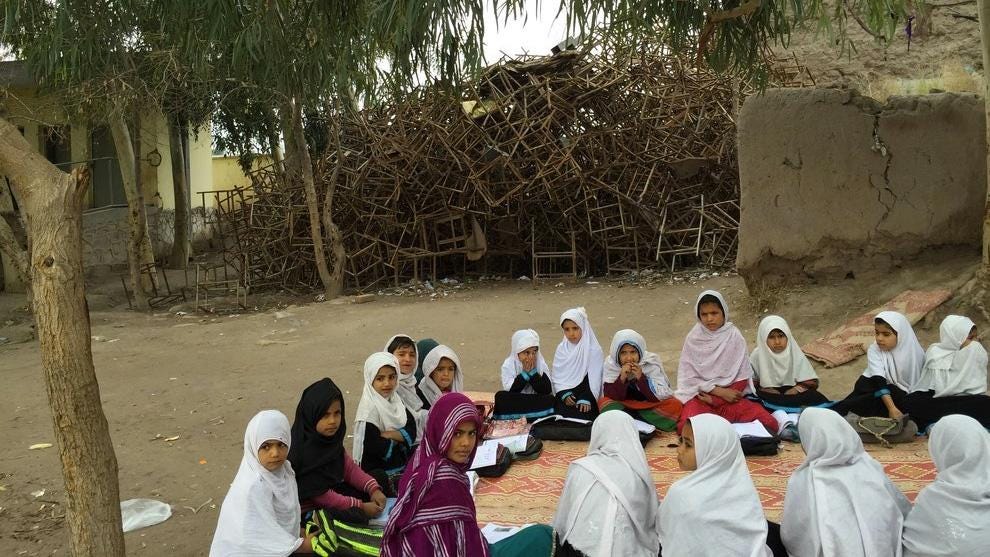
In the realm of education, the profound interplay between culture and individual behavior is of paramount importance. This intricate relationship takes on particular significance when we consider the facilitation of knowledge acquisition, skill development, and experiential learning within the rich tapestry of a society's cultural context. Many factors, including the pervasive influence of societal agencies, can either bolster or impede learning opportunities. For example, the impact of religion, family traditions, and community rituals can either serve as catalysts for educational success or act as stumbling blocks.
It is imperative to recognize and understand these dynamic forces, as they are pivotal in formulating effective strategies, policies, and solutions for education. As a discipline, anthropology emerges as a valuable tool in shedding light on these intricate dynamics, thereby facilitating the creation of pertinent education policies. Indeed, education policies are inextricably intertwined with society's values, customs, and institutions, necessitating a nuanced comprehension of their interconnectedness.
The process of crafting education policies is iterative, marked by an ongoing dialogue between the realm of education and the broader societal context. Through its insights, anthropology enriches this conversation by helping us navigate the potential positive or negative impacts of these connections. Thus, a deep understanding of the multifaceted dynamics of society stands as an indispensable foundation upon which impactful education policies and practices can be built. In essence, the synergy between culture, individual behavior, and anthropology plays a central role in shaping the future of education.