

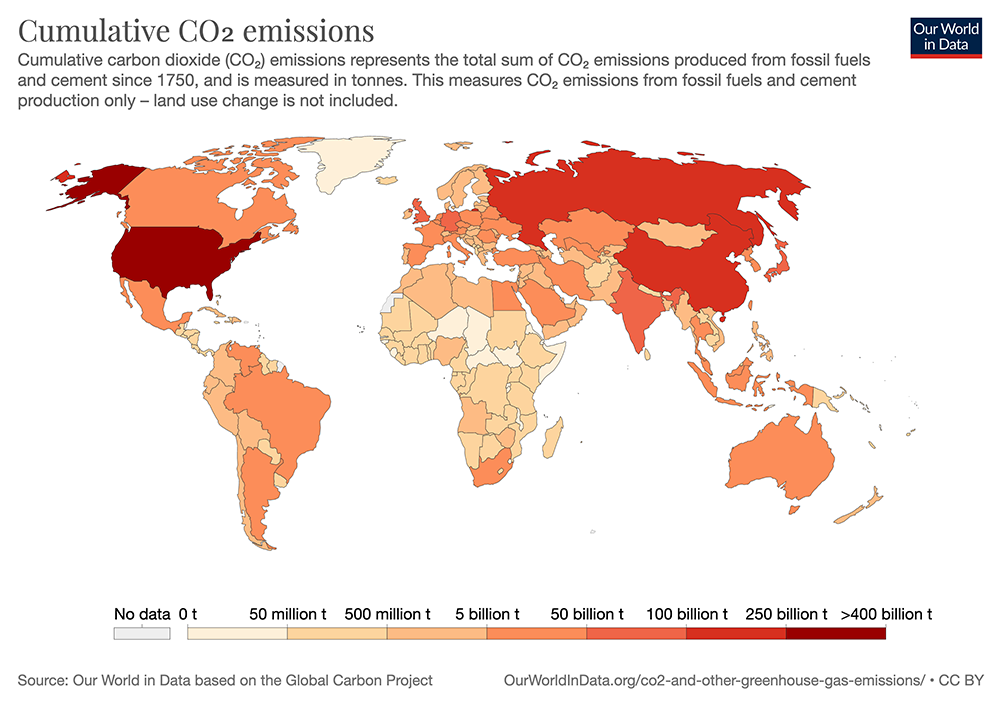
The natural science perspective offers a clear understanding of climate disasters, confirming that climate change is real, swift, and will affect the entire world to varying degrees. This perspective emphasizes that climate change is human-induced, highlighting the importance of a social view. In societies heavily reliant on fossil fuel consumption for daily activities like transportation, agriculture-related deforestation, and livestock farming, the connection to CO2 emissions is evident. Recent findings reveal that animal agriculture alone contributes to 15% of all carbon emissions. Therefore, it's apparent that human activities are causing climate change. A comprehensive understanding of its drivers requires examining society's political, economic, and social dimensions. While some critics argue that industries with state support are the main GHG emitters, activists call for government commitments to reduce emissions, a crucial and urgent task. Simultaneously, we must adopt a systematic approach to understand behaviors sustaining fossil fuel demand. This bottom-up perspective calls for collective societal action to modify behaviors, reduce support for fossil fuels, and embrace eco-friendly economic models. Understanding the social dynamics of different communities and their political and economic landscapes is essential, as there's no one-size-fits-all solution. With this insight, we can effectively address climate change.