

The recent unconfirmed news that the Taliban will permit women of any age to study in Madrasas (religious schools) raises questions about the curriculum, quality, and outcomes (Lederer, 2023)
If one acknowledges women's right to education, it is essential to emphasize that it should not be limited to religious studies alone, even if it completes the critical requirements.
While optimism is a vital aspect of human resilience, realism must prevail when considering the transformative potential of education, particularly within Afghanistan's current context. A holistic examination of the educational system is crucial—its philosophy, objectives, outcomes, and societal impacts. A failure to integrate these elements can lead to catastrophic consequences.
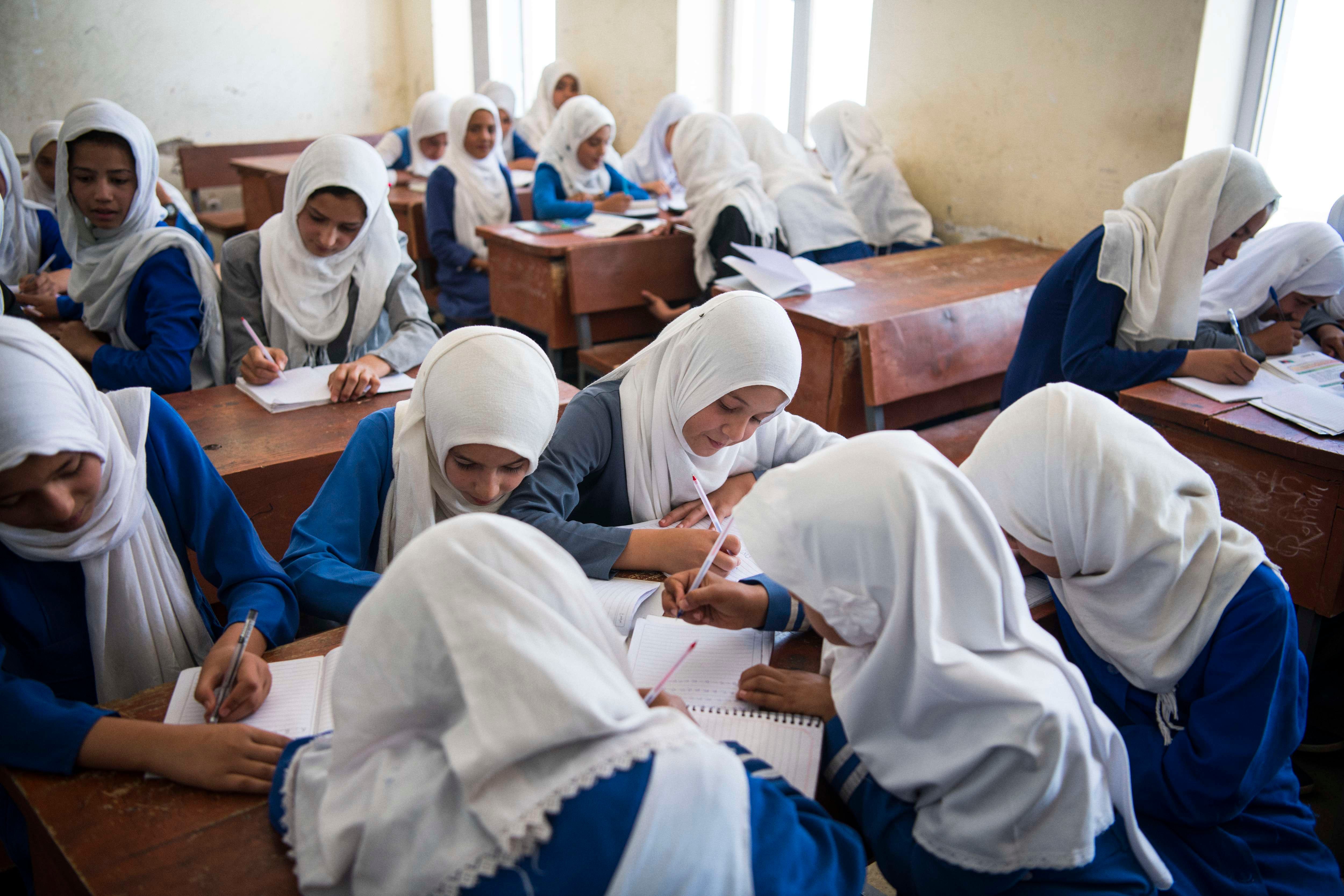
Access to education, the quality of education, equity in resources and opportunities, and subsequent employment prospects are interrelated components of a robust educational framework(Tikly & Barrett, 2011; Sahin, 2013; Pappu, 2021). Neglecting any aspect can significantly undermine the others. Quality education must lead to critically engaging with knowledge and applying it effectively ( Gilbert et al., 2011).
The complexities of implementing these educational components are particularly pronounced in Afghanistan's current political climate. Understanding this complexity requires acknowledging politics' central role in shaping the educational system, influenced by the ideological leanings of those in power. The Taliban's ideology, which is split between hardliners and moderates regarding women's education, is crucial to this understanding.
The influence of hardliners on education policy has historically been significant, reflecting a century-long pattern of opposition to women's rights. Their stance has often been rooted in extreme religious interpretations and a misrepresentation of Afghan traditions. With radicals influencing the current de-facto regime's decisions, any technical solution to education issues becomes secondary to the ideological battle.
Even if the ban on women's education is lifted, the nature of the education provided remains a critical concern. Will it align with international standards for inclusive and sustainable education, or will it perpetuate a dominant ideology that compromises the intellectual freedom of millions of girls?
This question should catalyze serious policy discussions among stakeholders invested in Afghanistan's future, aiming for solutions that ensure equal rights and opportunities. However, this cannot be addressed in isolation. The broader context of equity in options, including work, social participation, freedom of speech, and political engagement, must be part of the conversation. Piecemeal approaches have yet to progress significantly; a comprehensive strategy is needed.
The rationale behind investing in education often hinges on the anticipated benefits. In the context of girls’ education, if families perceive that intransigent radicals within the regime’s leadership are blocking access to educational opportunities, it profoundly affects their choices. They are presented with a crucial choice: to wait for education with a sustainable outlook that risks being blocked or settle for the only option that seems to be permitted—the Madrasas. This critical juncture highlights the urgent need for an educational system that is both widely accessible and free from ideological constraints.
References
Gilbert, R., Keddie, A., Lingard, B., Mills, M., & Renshaw, P. (2011). Equity and education research, policy and practice: A review. In Australian College of Educators National Conference (Vol. 201, No. 1).
Pappu, R. (2021). Gender equity in education: Changes and challenges in South Asia. In Handbook of education systems in South Asia (pp. 1461–1486). Singapore: Springer Singapore.
Tikly, L., & Barrett, A. M. (2011). Social justice, capabilities and the quality of education in low-income countries. International journal of educational development, 31(1), 3-14.
Sahin, E. (2013). Gender equity in education. Open Journal of Social Sciences, 2014.